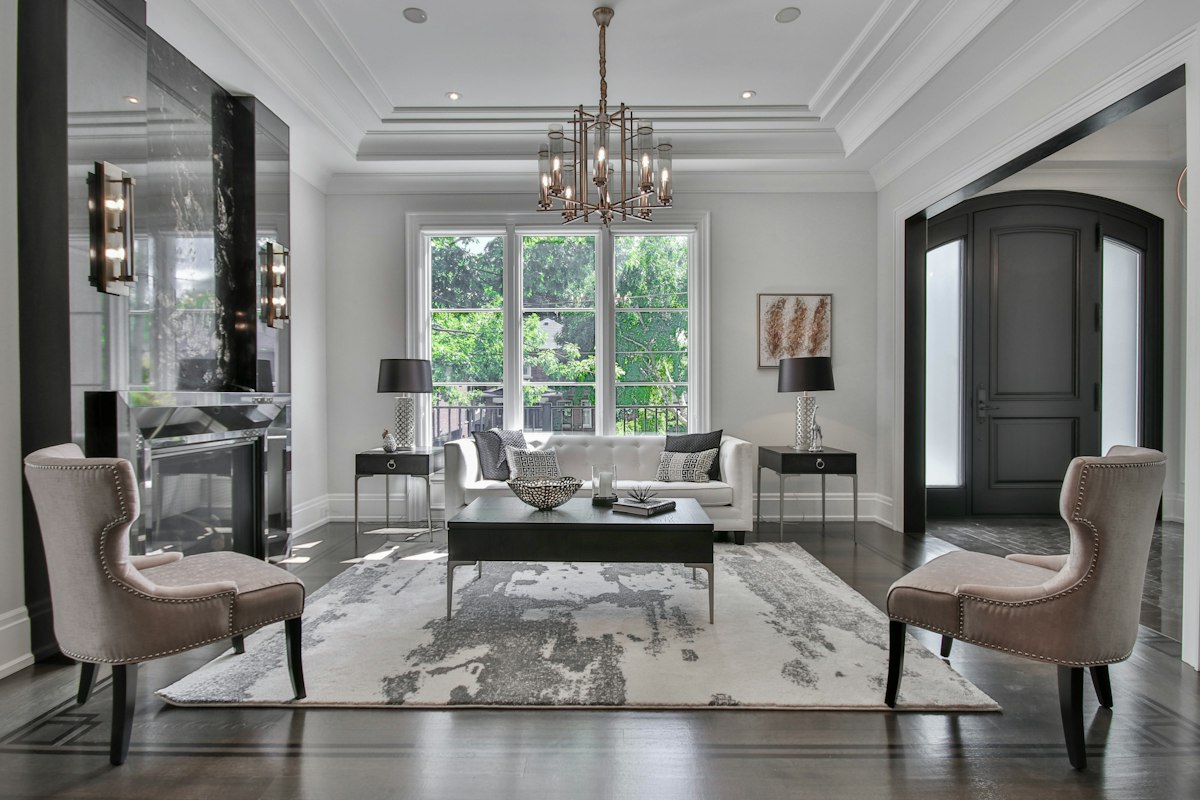
High-End Transformations: Redefining Modern Living Through Luxury Home Renovation
Embarking on a luxury home renovation is a significant undertaking that transcends simple home improvement. It is a sophisticated process of re-imagining your living environment to better reflect your personal identity, lifestyle requirements, and aesthetic preferences. When you decide to elevate a property to a premium standard, you are not just changing paint colors or replacing appliances; you are investing in a level of craftsmanship and architectural integrity that stands the test of time. This transition requires a shift in mindset from basic utility to an appreciation for the finer details that define a truly high-end residence.
The decision to renovate at this level often stems from a desire for a more seamless, functional, and beautiful daily experience. Perhaps the existing layout feels restrictive, or the materials no longer meet the standards of modern luxury. Whatever the motivation, the path forward involves a blend of creative vision and meticulous technical execution. This article will explore the core components of a successful high-end transformation, from the initial conceptual stages to the selection of rare materials and the integration of invisible technology that powers a modern smart home.
Related posts
Kitchen Cabinet Renovation Cost: Estimating Your Remodel Budget
Walking into a kitchen with outdated, peeling, or poorly functioning cabinets is enough to make any homeowner start...
Read more →
Using a Home Improvement Debt Consolidation Loan to Simplify Your Finances and Upgrade Your Space
Managing multiple high-interest debts while trying to maintain or upgrade your home can feel like an impossible balancing...
Read more →
Financing Your Vision: How a Home Improvement Mortgage Loan Works
Staring at a kitchen that hasn't been updated since the 1980s can be demoralizing. You know the layout...
Read more →
Financing Your Home Improvement: How to Get a Loan for House Renovation Projects
Walking through a dated kitchen or a cramped bathroom often sparks a vision for what your home could...
Read more →Success in this niche depends heavily on the synergy between the homeowner, the architect, and the construction team. High-end projects demand a level of precision where a fraction of an inch can determine the success of a custom cabinetry installation or the alignment of a floor-to-ceiling stone slab. By understanding the complexities involved in sourcing global materials and managing specialized trades, you can approach your project with the confidence of an insider. We will break down how to prioritize your investments to ensure that every dollar spent contributes to both your immediate enjoyment and the long-term value of the asset.
Are you ready to turn a standard floor plan into a bespoke masterpiece? The process is demanding, but the reward is a home that feels entirely yours, functioning as a sanctuary that anticipates your needs. Let us explore the elements that separate a standard remodel from a world-class luxury renovation.
Key takeaways
- Prioritize Structural and Spatial Flow: High-end renovations focus on volume, light, and movement rather than just cosmetic updates.
- Invest in Bespoke Craftsmanship: Custom millwork and artisanal finishes provide a unique character that mass-produced alternatives cannot replicate.
- Integrate Technology Early: Smart home systems should be baked into the infrastructure to ensure they remain discreet and functional.
- Select Timeless, High-Performance Materials: Choose materials like natural stone, hardwoods, and high-grade metals that offer durability alongside aesthetic appeal.
The Philosophy of High-End Spatial Design
In the world of luxury home renovation, the most significant luxury is often space itself. This does not necessarily mean adding more square footage, though that is common; rather, it refers to the quality of the space you already have. High-end design focuses on "spatial flow"—the way one room transitions into the next. It involves removing unnecessary barriers to create sightlines that emphasize the scale of the architecture. Have you ever walked into a room and felt an immediate sense of calm? That is usually the result of deliberate spatial planning and the balance of natural light.
Architectural integrity is the foundation of any premium renovation. This means respecting the original bones of the house while updating them for a modern context. For a historic estate, this might involve restoring original plaster moldings while discretely adding a modern HVAC system. For a contemporary penthouse, it could mean installing floor-to-ceiling glass walls that disappear into the structure, blurring the line between the interior and the exterior landscape. The goal is to create a cohesive environment where every element feels intentional.
The Role of Natural Light
Light is a fundamental building material in luxury design. A high-end renovation often involves enlarging window openings, installing skylights, or using reflective surfaces to bounce light into deeper parts of the home. The use of high-performance glass with UV protection ensures that your art collection and custom furniture are protected from sun damage while still allowing the space to feel bright and airy. Proper orientation and the use of motorized shading systems allow you to control the ambiance throughout the day with a single touch.
The Culinary Studio: Reimagining the Kitchen
The kitchen has evolved from a utility room into the social heart of the home and a professional-grade culinary studio. In a luxury home renovation, the kitchen is often the most significant investment. It is no longer enough to have high-end appliances; they must be integrated seamlessly into the cabinetry for a "flush" look. Brands like Sub-Zero, Wolf, and Gaggenau are staples, but the real luxury lies in the customization. Think of specialized stations: a dedicated coffee bar with plumbed-in espresso machines, a wine cellar with dual-zone climate control, or a hidden scullery where prep work happens out of sight.
Materiality in the kitchen is where you can truly express personal style. Instead of standard granite, designers are opting for rare marbles like Calacatta Borghini or durable quartzites with dramatic veining. Book-matching these stone slabs—where the veins line up perfectly across seams—is a hallmark of high-end craftsmanship. Additionally, the move toward mixed metals, such as unlacquered brass paired with matte black steel, adds a layer of sophistication and warmth that feels curated rather than clinical.
Bespoke Cabinetry and Storage
Standard cabinetry sizes have no place in a luxury renovation. Everything should be tailored to the homeowner’s specific needs. This includes motorized drawers that open with a light touch, custom inserts for silver service, and integrated lighting that illuminates the interior of every cabinet. The finish of the cabinetry itself is an art form, often involving multi-step hand-applied stains or high-gloss lacquers that require a dust-free environment to cure to a mirror-like finish.
Master Suites as Private Sanctuaries
The master suite in a luxury home renovation should function as a private retreat from the rest of the world. This goes beyond a large bedroom; it encompasses a dressing room, a spa-like bathroom, and perhaps a private morning bar or a sitting area with a fireplace. The transition into this space should feel like entering a boutique hotel. Soundproofing the walls and floors is a common but often overlooked step that ensures total privacy and quiet within the suite.
In the bathroom, the focus is on a sensory experience. Curated stone walls, heated floors, and steam showers with aromatherapy modules are standard features in high-end projects. Freestanding soaking tubs, often carved from a single block of stone or cast in high-performance resin, serve as the room's centerpiece. The integration of "smart" mirrors with built-in displays and voice-controlled lighting allows for a seamless morning routine that keeps you connected without cluttering the aesthetic.
The Dressing Room Experience
A luxury closet is no longer just a place to hang clothes; it is a dressing room designed with the precision of a high-end retail boutique. This includes glass-fronted wardrobes, dedicated shoe walls with integrated LED shelving, and center islands for accessory storage. Using premium woods like walnut or rift-sawn oak, along with leather-lined drawers, elevates the daily act of dressing into a ritual of appreciation for your wardrobe.
The Infrastructure of Luxury: Invisible Technology
One of the hallmarks of a modern luxury home renovation is the presence of advanced technology that remains virtually invisible. The goal is to enhance the living experience without the visual clutter of wires, speakers, and control panels. A centralized smart home system, such as Crestron or Savant, can manage everything from climate and lighting to security and multi-room audio. These systems are often housed in a dedicated, cooled server room, away from the living areas.
Lighting design is a specialty field that has become essential in high-end renovations. It is not just about placing cans in the ceiling; it is about creating "scenes" that can be adjusted based on the time of day or the activity. Circadian lighting systems that mimic the natural progression of sunlight can improve sleep patterns and overall well-being. Meanwhile, hidden speakers plastered into the ceiling or walls provide high-fidelity sound without any visible equipment, maintaining the architectural purity of the space.
Budgeting and Planning for Excellence
A luxury home renovation requires a different financial approach than a standard remodel. The costs are driven not just by the square footage, but by the level of finish and the expertise of the labor. It is fundamental to establish a realistic budget that includes a healthy contingency fund—typically 15% to 20%—to account for the inevitable complexities that arise when working with high-end materials and older structures. Transparency with your general contractor and architect regarding your financial boundaries is necessary for a smooth project.
When evaluating costs, consider the long-term value. While a custom-carved marble fireplace may have a high upfront cost, its impact on the home's character and resale value can be profound. High-end renovations are as much about asset management as they are about personal enjoyment. Working with a team that understands the local real estate market can help you decide where to invest heavily and where to be more conservative.
Frequently Asked Questions
How long does a luxury home renovation typically take?
A comprehensive luxury renovation usually takes between 12 and 24 months. This timeline includes the initial design and permitting phase, which can take 3 to 6 months, followed by the construction phase. The duration is influenced by the complexity of the structural changes, the lead times for custom materials, and the meticulous nature of high-end finishing work.
What are the most significant cost drivers in a high-end project?
The primary cost drivers are custom millwork, rare raw materials like natural stone, and specialized labor. Structural modifications, such as moving load-bearing walls or installing large-scale glass systems, also significantly impact the budget. Additionally, integrated smart home technology and high-performance HVAC systems add to the infrastructure costs.
How do I choose the right team for my renovation?
Look for a team with a proven portfolio in high-end residential work. It is essential to interview architects and contractors who have experience with the specific style and scale of your project. Check references specifically for their ability to manage complex logistics and their commitment to detail. A collaborative relationship between the designer and the builder is necessary for success.
Is it necessary to move out during a luxury renovation?
In almost all cases, yes. The scale of a luxury renovation—involving dust, noise, and the disruption of essential services like water and electricity—makes living in the home impractical and stressful. Moving out allows the construction team to work more efficiently and protects your personal belongings from damage during the process.
How does a luxury renovation affect the resale value of my property?
While personal enjoyment is the primary goal, a well-executed luxury renovation can significantly increase a property's market value. Focus on timeless design and high-quality infrastructure to ensure the best return on investment. In premium markets, buyers often seek "turnkey" properties where the highest level of craftsmanship has already been applied, often paying a premium to avoid the renovation process themselves.
Conclusion
A luxury home renovation is a journey of refinement that requires patience, a clear vision, and a commitment to quality. By focusing on spatial flow, bespoke craftsmanship, and the seamless integration of technology, you can create a residence that is not only beautiful but also a perfect reflection of your lifestyle. Remember that the most successful projects are those where the homeowner is deeply involved in the vision but trusts the experts to execute the technical details. Whether you are updating a historic estate or modernizing a contemporary villa, the goal remains the same: to create a home that provides an unparalleled sense of comfort and inspiration every single day.